







新闻中心
聚焦工业内窥镜技术与行业资讯,专业传递价值,赋能高效发展
|
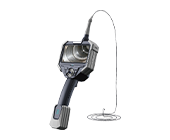
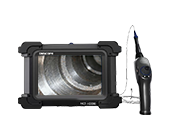
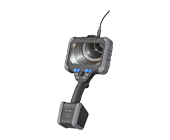
In which places can pipeline endoscopes be used for defect detection?As a non-destructive testing tool, pipeline endoscopes, with their advantages of high-definition imaging, flexible probes and non-destructive testing, have been widely applied in the detection of hidden space defects in multiple industries, becoming an important means to ensure the safe operation of equipment and the quality of projects. Its detection scenarios cover multiple core fields such as energy, industrial production, urban operation and maintenance, and transportation manufacturing, and can accurately identify various problems such as cracks, corrosion, blockages, and weld defects. In the field of energy and power, pipeline endoscopes are key equipment for ensuring the security of energy supply. In nuclear power scenarios, it can penetrate extreme environments such as reactor cores and steam generator heat transfer tubes to detect cracks, corrosion and foreign object residues, thus building a solid defense line for nuclear safety. In thermal power and wind power projects, internal inspections can be carried out on the water-cooled walls of boilers, turbine blades, and wind turbine gearboxes to promptly identify wear, scaling, and cracking issues, thereby reducing losses caused by unplanned shutdowns. In the petrochemical industry, pipeline endoscopes are suitable for complex working conditions of high temperature and high pressure. In refining and chemical plants, it can conduct comprehensive inspections on the tube bundles of heat exchangers, pressure storage tanks, and the inner walls of reaction vessels, assess the quality of welds, the degree of corrosion, and the accumulation of scale, and meet the requirements of regular inspections and emergency repairs. For long-distance oil and gas pipelines, in combination with crawlers, remote detection of deep Wells and elbow pipes over 200 meters can be achieved, and foreign object grasping operations can also be completed, significantly reducing the cost of excavation detection. The aerospace field has extremely high requirements for detection accuracy, and pipeline endoscopes have become the "invisible guards" safeguarding flight safety. It can penetrate deep into core components such as the combustion chamber and turbine blades of civil aviation engines, capturing tiny cracks, ablation marks and debris at the 0.1-millimeter level. For aerospace fuel pipelines, it can verify the integrity of welding and internal cleanliness, ensuring the high reliability of spacecraft under extreme working conditions. In the automotive manufacturing and maintenance industry, pipeline endoscopes have effectively enhanced production efficiency and maintenance quality. During the manufacturing process, it can detect residual casting sand cores, cracks and burrs in engine blocks, turbochargers and fuel lines, helping to improve the qualified rate of products leaving the factory. In after-sales maintenance, the fault point can be located without disassembly, significantly shortening the maintenance time and reducing the maintenance cost. As the "technological eye" of urban underground pipe networks, pipeline endoscopes play a crucial role in municipal and public works. It can conduct a comprehensive census of urban water supply and drainage, gas and heating pipe networks, identify defects such as cracks, deformations, blockages and tree root intrusions, and provide precise data support for trenchless repair. It can also be used for the detection of large pumping stations and culverts, assessing the erosion of concrete and the exposure of steel bars, and providing a basis for the formulation of maintenance plans. In the pharmaceutical and food industries, pipeline endoscopes meet the strict requirements of clean production. In clean pipeline systems, it can detect protein residues or particle contamination in the welding dead corners of elbows and valves, identify tiny impurities smaller than 0.1 millimeters, and meet GMP standards. For equipment such as fermentation tanks and liquid preparation tanks, the polishing quality of the inner surface, weld cracks and the integrity of the sealing surface can be inspected to ensure product safety. In the fields of architecture and steel structures, pipeline endoscopes have achieved efficient detection of concealed Spaces. In construction projects, it can penetrate deep into concrete components and the interior of walls to inspect for rusted steel bars, damaged pre-buried pipelines and hollow cracks, thus avoiding the waste of resources caused by wall demolition. In the protection of ancient buildings, it is possible to detect the insect damage and decay inside the beams and columns, providing technical support for precise restoration. For pressure-bearing equipment such as gas cylinders and boilers, it can detect defects such as incomplete penetration and undercut in the longitudinal ring welds of the cylinder body, ensuring safe use. In addition, in the fields of wind power and rail transit, pipeline endoscopes can perform predictive maintenance on key components such as wind turbine gearboxes and high-speed rail axles, and detect potential hazards such as micro-cracks and pitting corrosion at an early stage. In the foundry industry, it can detect casting defects such as gas holes, sand holes and slag inclusions inside hydraulic valve bodies and complex castings, effectively reducing the scrap rate. |


